15 Premium Food Brands Shoppers Have Stopped Buying
Premium labels used to feel like a safe bet. Now carts are shifting as prices climb, recipes change, and store brands get better. If your grocery bill is up but your food feels worse, you’re not alone. This guide helps you spot which “premium” names are losing trust, and why.
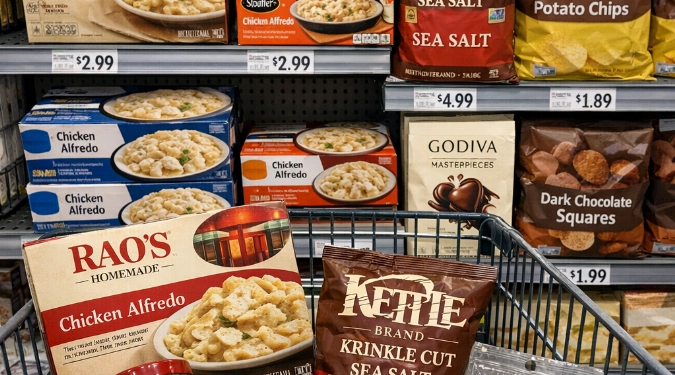
Know which premium labels are losing carts, and why. This guide names 15 brands and the specific friction points behind the drop. You’ll also get a fast way to sanity check value in any aisle. Use it to spot when “premium” stopped meaning better.
What’s Driving The Drop
- Shrinkflation: smaller packs with the same shelf price.
- Ingredient drift: cheaper oils, more sugar, or “natural flavor” replacing real inputs.
- Private label upgrades: store brands now match taste and texture.
- Trust hits: recalls, sourcing questions, or confusing labeling.
- Promo addiction: a brand trains people to wait for discounts.
15 Premium Food Brands Losing Loyalists
- Whole Foods Market 365: fewer standout bargains as prices rose on staples like nut butters and frozen meals.
- Trader Joe’s: inconsistent availability and recipe tweaks make favorites feel like a gamble.
- Annie’s Homegrown: after bigger ownership, some shoppers cite blander mac and cheese and more processed vibes.
- Kashi: “health halo” weakened as ingredient lists grew and sugar crept into cereals and bars.
- Kind: bars feel expensive versus newer competitors with similar macros and lower prices.
- RXBAR: fans report texture changes and less distinct flavor in some varieties.
- Oatly: price remains high, while oat milks from Chobani and store brands improved fast.
- Beyond Meat: premium pricing plus “ultra-processed” perception shifted demand to simpler protein options.
- Impossible Foods: strong taste, but higher cost and long ingredient lists push some shoppers back to beans or tofu.
- Halo Top: better-for-you ice cream feels less special as competitors match protein and lower sugar.
- Ben & Jerry’s: pints can feel like a splurge too far when basic ice cream is half the price.
- Häagen-Dazs: loyalists notice smaller promos and less “worth it” against premium store-brand gelato.
- San Pellegrino: sparkling water became a commodity category, and cheaper seltzers won the fridge.
- Perrier: similar story, with shoppers swapping to multipacks of plain or flavored seltzer.
- Tate’s Bake Shop: cookies often sit near $6 to $8 a bag, and bakery-style store brands undercut them.
How To Decide If A “Premium” Item Still Earns The Spot
Run A 30-Second Value Check
- Unit price: compare $/oz or $/count, not shelf price.
- Ingredients: look for real fats and named sources, not vague blends.
- Protein and fiber: check if the “better” version is actually better.
- Serving math: confirm the pack did not quietly drop servings.
Use Two Quick Substitution Tests
- Blind taste at home: compare your old favorite to a strong private label once.
- Recipe use test: try it in the way you eat it, not straight from the package.
Where Shoppers Are Redirecting Their Spend
- Private label “clean” lines: better chocolate, yogurt, and frozen meals with shorter labels.
- Club multipacks: snacks and seltzer win on cost per unit.
- Local makers: fresh salsa, bread, and cookies feel premium for similar money.
Signals A Brand Is Trying To Win You Back
- They publish clearer sourcing details and remove vague additives.
- They bring back discontinued bestsellers after backlash.
- They price closer to the category, not above it.
FAQ
How can I track brand changes without obsessing?
Save one photo of the ingredient panel for your top five repeats. Compare it once a quarter. Watch for oil swaps, sweetener changes, and serving-size edits.
Do premium brands always have higher quality?
No. Premium Food Brands often win on story and packaging. Quality shows up in unit price consistency, ingredient clarity, and repeatable taste.
What’s one easy way to avoid impulse “upgrade” buys?
Set a personal rule for one premium category only. For example, spend up on coffee or olive oil. Keep everything else at a strong store-brand baseline.
Disclaimer: The information provided in this article is for educational and informational purposes only. It does not constitute professional advice. Readers should conduct their own research and consult with qualified professionals before making any decisions.