Explore Popular Earring Styles to Elevate Your Look in 2026
Your saved outfits can still look unfinished if your earrings don’t match your neckline, hair, or day-to-night plans. Trends also shift fast, so it’s easy to waste money on pieces that feel dated by spring. This guide is for anyone updating a jewelry wardrobe for 2026.
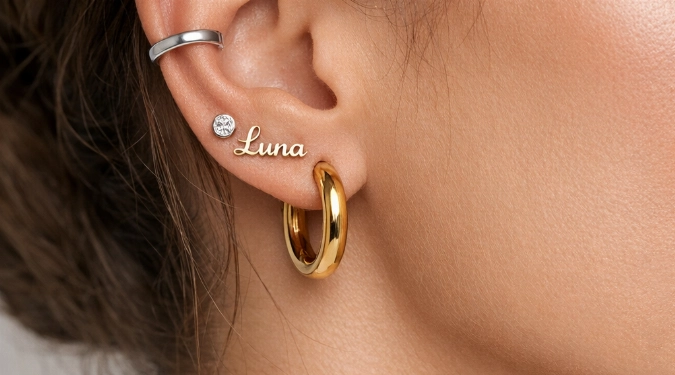
Wear-test six earring styles that define 2026. Learn which shapes flatter your face, which metals match your undertone, and how to stack without tangles. You’ll also get a fast shopping checklist, brand examples, and care rules that keep pieces bright and secure all year long.
The Six Styles Worth Trying In 2026
1) Modern Hoops
Chunky, oval, and tapered hoops read polished, not retro. Look for comfort backs and hollow construction to reduce weight. For everyday, aim for 20–35 mm diameter. For statement, 45–60 mm works best.
2) Precision Studs
Studs are getting sharper and more architectural. Think baguette shapes, starbursts, and bezel-set stones. Diamond Stud Earrings still win for interviews and events. Pick a low profile if you wear headphones often.
3) Drop And Linear Earrings
Linear drops elongate the neck and photograph well. They also pair easily with high collars. Choose a single focal element, like a bar or pearl, to avoid visual noise.
4) Ear Cuffs And Climbers
Cuffs give a stacked look without extra piercings. Climbers sit along the ear’s edge and feel modern. Prioritize smooth edges and a snug spring tension. Loose cuffs fall off during hair flips.
5) Personalized Lettering
Nameplates are shifting to slimmer fonts and mixed finishes. Personalized Name Earrings work best when the letters sit flat. Check for rounded letter edges so hair does not snag. Ask about repair policies for bent script.
6) Organic “Mismatch” Sets
Asymmetry is still big, but it is more intentional now. Pair a small stud with a single drop, or mix two close tones. Unique Fashion Earrings often use resin, enamel, or carved stone. Confirm the weight before committing.
Quick Fit Rules That Actually Change The Result
If your face is round, choose elongated drops or angular hoops. If your face is long, choose clustered studs or wider hoops. If you wear glasses, avoid drops that hit the frames. Keep 10–15 mm of space for comfort.
Metal Choice: What Looks Expensive On You
Warm undertones usually glow in yellow metals. Cool undertones often pop in white metals. Neutral undertones can wear either. Sterling Silver Earrings are a smart daily pick if you like a bright, clean look. Choose 925 silver with a rhodium finish if you hate polishing. Gold Hoop Earrings look richest when the finish matches your other hardware. Match your watch or belt buckle to avoid a “mixed by accident” effect.
Stacking Without The Chaos
Use a “one anchor, one accent” rule. Make the anchor your biggest piece. Let the accent be a small stud or cuff. If you have two or three piercings, keep one element consistent. That can be metal tone, stone color, or shape. Avoid more than two moving pieces per ear. Movement creates tangles with hair and scarves.
What To Check Before You Pay
Backs matter as much as the front. For studs, look for screw backs or guardian backs for security. For hoops, check the hinge for a clean click. Ask about metal content and plating thickness. Thin flash plating wears fast on high-friction spots. If you have sensitive ears, verify nickel-free posts. Brand examples with strong basics include Mejuri, Catbird, Ana Luisa, Kendra Scott, Pandora, and BaubleBar. For fine pieces, browse Blue Nile and James Allen for clear stone specs.
FAQ
How Do I Choose A Stud Size For Daily Wear?
For most ears, 3–5 mm reads neat and intentional. If you want visible sparkle in photos, try 6–7 mm. Larger sizes can feel heavy with long wear.
What Post Length Fits Best?
A 6–8 mm post fits many lobes. Thicker lobes may need 9–11 mm. If the post is too long, the front can droop.
Are Cuffs Safe For Active Days?
They can be, if tension is right. Test by gently shaking your head. If it shifts, choose a smaller gauge or a cuff with a silicone grip. Disclaimer: The information provided in this article is for educational and informational purposes only. It does not constitute professional advice. Readers should conduct their own research and consult with qualified professionals before making any decisions.
Disclaimer: The information provided in this article is for educational and informational purposes only. It does not constitute professional advice. Readers should conduct their own research and consult with qualified professionals before making any decisions.