Natural Blood Sugar Support The Simple Daily Guide For Better Balance
This simple daily guide to natural blood sugar support focuses on what you can do at home to promote better balance: steady breakfast choices, a practical lunch-and-dinner plate formula, and reliable food combinations that may reduce sharp spikes after meals. You’ll also learn low-risk “right now” steps commonly used when readings run high, plus smart swaps that keep familiar meals satisfying while improving fiber and protein. The goal is repeatable routines that support steadier energy and more predictable hunger.
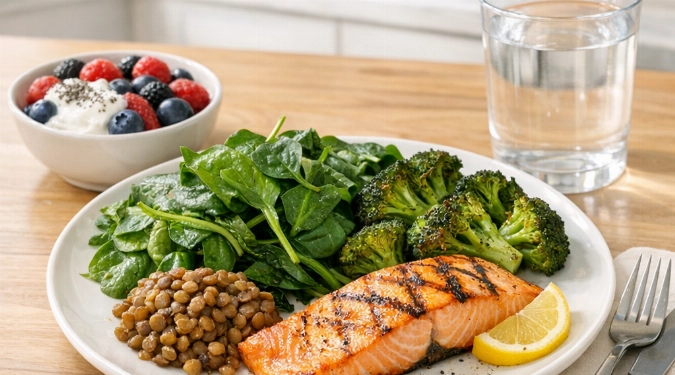
Blood sugar swings can feel like a daily tug-of-war: energy dips, cravings, and that “off” feeling after meals. This simple daily guide focuses on natural blood sugar support at home, using practical food choices, smart timing, and a few steady habits that help many people keep better balance day to day.
What “Better Balance” Looks Like Day To Day
Better balance usually means fewer sharp spikes after eating and fewer crashes between meals. In real life, that can look like steadier energy, less urgent snacking, and more predictable hunger cues. A helpful target is building meals that digest more slowly by pairing fiber, protein, and healthy fats with carbohydrates.
If you use a home glucose meter or a continuous glucose monitor, you may notice that the same carb-heavy meal behaves differently when it’s paired with eggs, Greek yogurt, beans, or nuts. Those pairings don’t “erase” carbs, but they often slow absorption and soften the curve.
The Simple Daily Guide: Morning, Midday, And Evening
Morning: Start With A Protein-Forward Breakfast
Many people do better with a breakfast that emphasizes protein and fiber rather than a large, refined-carb meal. Examples include plain Greek yogurt with berries and chia, eggs with sautéed vegetables, or oatmeal topped with nut butter and ground flax. This is also a practical time to include food for low sugar moments, such as a small apple with peanut butter or cottage cheese with cinnamon, when you need steady fuel instead of a quick hit.
Midday: Build A “Plate Formula” Lunch
A simple plate formula is: half non-starchy vegetables, a palm-sized protein, and a modest portion of high-fiber carbs. Think salad plus grilled chicken plus quinoa, or a turkey-and-avocado wrap in a high-fiber tortilla with crunchy veggies on the side. This approach naturally prioritizes food to eat to lower blood sugar patterns without turning lunch into a math problem.
Evening: Keep Carbs Earlier, Keep Dinner Predictable
Dinner is often where portions creep up and starchy sides multiply. A steadier approach is choosing one carb source (like brown rice, sweet potato, or beans), then anchoring the meal with protein and vegetables. Many people find that finishing dinner earlier and avoiding large late-night snacks supports more stable next-morning numbers.
Foods That Often Support Lower Glucose After Meals
These are everyday options that commonly help people build more stable meals. They are not cures, but they can be reliable building blocks.
- Non-starchy vegetables: broccoli, leafy greens, peppers, cucumbers
- Legumes: lentils, black beans, chickpeas (fiber slows digestion)
- Protein: eggs, chicken, tofu, salmon, canned tuna
- High-fiber carbs: steel-cut oats, barley, berries, beans
- Healthy fats: olive oil, avocado, walnuts, chia seeds
If you’re searching for food that lower blood sugar, it helps to think in combinations: veggies plus protein plus a measured carb, rather than a single “magic” ingredient.
How To Bring Down Blood Sugar Fast At Home
If your blood sugar is unexpectedly high, the safest “fast” supports are usually the low-risk basics: hydration, light movement, and avoiding more quick-digesting carbs. A brief walk after meals can help muscles use circulating glucose, and water can support overall circulation and hydration status.
Because “fast” depends on the person, the number, and any medications involved, it’s important to follow the plan you’ve discussed with your clinician. Seek urgent care if you have concerning symptoms or very high readings that don’t improve.
Smart Swaps That Keep Meals Familiar
You don’t have to give up favorite foods to improve balance. The goal is often swapping refined carbs for higher-fiber choices, and adding protein or vegetables to slow digestion. For example: choose brown rice or cauliflower rice more often than white rice, add beans to tacos, or pair fruit with yogurt instead of eating it alone. Over time, these swaps become the default “food to lower blood sugar” style of eating without feeling restrictive.
FAQs About Reducing Blood Sugar Naturally
What Can I Do Right Now To Reduce High Blood Sugar At Home?
Common first steps include drinking water, taking a gentle walk if it’s safe for you, and choosing a protein-and-fiber snack instead of refined carbs. If you use insulin or glucose-lowering medication, follow your prescribed instructions and safety guidelines.
Are There Specific Foods That Help After A High-Carb Meal?
Adding fiber and protein to the next meal often helps smooth the day’s overall pattern. Examples include lentil soup, a veggie omelet, or a big salad with salmon and olive oil. The key is consistency across the day, not “punishing” yourself afterward.
Should I Avoid Fruit Completely?
Many people can include fruit, especially when paired with protein or fat (like berries with plain Greek yogurt or an apple with nut butter). Portion size and the type of fruit can matter, and monitoring your personal response can be useful.
What If My Morning Numbers Are Higher Even Without Breakfast?
Some people experience higher morning glucose due to normal overnight hormone shifts. A consistent dinner, earlier eating window, and a protein-forward breakfast may help, but it’s best discussed with a clinician if it’s persistent.
Conclusion: A Simple Plan You Can Repeat
Natural blood sugar support is built from repeatable daily choices: protein-forward breakfasts, balanced plates at lunch and dinner, fiber-rich carbs, and practical at-home steps when numbers run high. Keep it simple, track what works for your body, and focus on steady progress rather than perfection.
Disclaimer: The information provided in this article is for educational and informational purposes only. It does not constitute professional advice. Readers should conduct their own research and consult with qualified professionals before making any decisions.