The Great Warehouse Clearing Why Premium Tool Chests Are Moving Fast
Premium tool chests are moving fast because post-promo inventory has a short runway: warehouses need space, retailers reconcile returns, and unsold units get redirected through redistribution, liquidation, or refurbishment channels. This article explains what typically happens to unsold tool chests after big promos, how “premium” shows up in real build details like steel gauge and full-extension slides, and how to evaluate new, open-box, and refurbished cabinets so the layout, hardware, and support match your long-term needs.
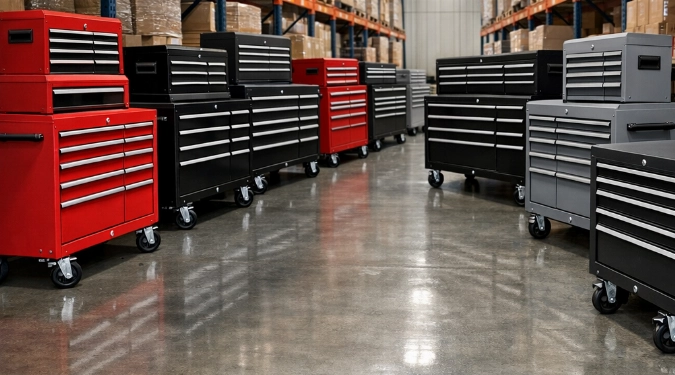
That “warehouse clearing” feeling is real right now, premium tool chests are cycling out quickly as promo periods end and retailers decide what to do with remaining inventory. If you’ve been watching a Tool Box Clearance Sale or scanning Tool Chests on Sale, it helps to understand what’s actually driving the movement, and what happens to the units that don’t sell.
Why Premium Tool Chests Move Fast After Promo Periods
Once a promotion ends, stores and distributors often need their floor space and warehouse slots back for the next seasonal shipment. Tool chests are bulky, expensive to store, and costly to ship twice, so many sellers prefer to move remaining units quickly rather than keep them sitting.
Premium boxes also attract buyers who have been waiting for a specific configuration: a 72-inch roller cabinet, a top chest combo, or a workstation-style cabinet with stainless work surface. When a batch of the same SKU is released from backstock, it can disappear fast because the “right” size and drawer layout is suddenly available in quantity.
What Happens To Unsold Tool Chests After Big Promos
Unsold tool chests rarely just “stay put.” Typically, they move through a few predictable channels based on condition, packaging, and retailer policies. Understanding these paths explains why inventory can show up in waves and why certain colors or drawer counts become common during a Tool Chest Clearance.
Channel 1: Returned To A Regional Distribution Center
Many units are consolidated back to regional facilities where they can be reallocated to locations with higher demand, re-tagged for a new promo, or bundled with matching top chests.
Channel 2: Liquidation And Secondary Retail
Some chests are sold in bulk to liquidators, then redistributed through outlets and secondary retailers. This is where shoppers may see brand-new or open-box units, sometimes with minor packaging damage, staged as Tool Chests on Sale without the original in-store marketing.
Channel 3: Refurbished Or Repackaged Inventory
If a chest has cosmetic scuffs, missing hardware, or a dented drawer face, it may be repaired and reboxed, then sold as refurbished. This channel often includes clear labeling and a shorter warranty, so it pays to read the condition notes carefully.
What “Premium” Means In Tool Chest Terms
Premium isn’t just a logo, it usually shows up in construction details you can feel. Look for thicker gauge steel (often around 18-gauge for value lines vs 16-gauge or better for higher tiers), full-extension ball-bearing slides, and reinforced drawer bottoms that resist oil-can flex when loaded with sockets.
Other markers include deeper drawers for power tools, integrated power strips, soft-close lids on top chests, and higher caster ratings. Common examples of premium-leaning lines shoppers recognize include Snap-on KRL-series cabinets, Milwaukee’s heavy-duty roller cabinets, and Husky’s higher-end welded steel options.
How To Evaluate Clearance Tool Chests Without Regret
A fast-moving clearance cycle rewards shoppers who check fundamentals before they commit space in the garage or bay. If you’re planning to Shop Tool Box options during a clearance wave, focus on fit, function, and support, not just the sticker.
- Measure twice: Confirm cabinet width, depth, and lid clearance, plus doorways and trailer ramps for delivery.
- Check drawer specs: Full-extension slides, stated load rating per drawer, and whether drawers are pre-lined.
- Inspect the frame: Look for corner dents that can affect drawer alignment, and verify the lock engages every drawer.
- Confirm completeness: Keys, drawer liners, side handles, and caster hardware should be accounted for, especially on open-box units.
Quick Comparison: New, Open-Box, And Refurbished
| Condition | What It Typically Means | Best Fit For |
|---|---|---|
| New | Factory packaging, full accessories, standard warranty | Shops that need predictable support and clean cosmetics |
| Open-Box | Returned or display unit, may have minor marks or missing packaging | Garage users who can inspect in person and verify parts |
| Refurbished | Repaired/reconditioned, often repackaged, warranty terms may differ | Buyers prioritizing function over appearance |
FAQs About Post-Promo Tool Chest Inventory
Why Do Tool Chests Show Up Right After A Promotion Ends?
Because stores often reconcile inventory and returns after the promo window. That timing can release pallets of the same models back into circulation through redistribution or liquidation channels.
Are Clearance Tool Chests Lower Quality?
Not necessarily. Many are identical to full-price units but are being moved due to space, seasonal resets, or packaging condition. The key is verifying slides, squareness, and included hardware.
What Should I Prioritize For Long-Term Use?
Start with drawer slide type and rating, steel thickness, caster quality, and whether the drawer layout matches your tool set. A well-matched layout often matters more than extra shallow drawers you never fill.
Conclusion
The great warehouse clearing is mostly about logistics: bulky inventory, changing promo calendars, and multiple paths for unsold tool chests after the promo period. When you understand where these cabinets go and how to judge condition, you can navigate a Tool Chest Clearance with more confidence and fewer surprises.
Disclaimer: The information provided in this article is for educational and informational purposes only. It does not constitute professional advice. Readers should conduct their own research and consult with qualified professionals before making any decisions.